High-Temperature vs. Granulated Ice & Water Underlayment: Which Is Better for Your Roof?
High-Temperature vs. Granulated Ice & Water Underlayment: Which Is Better for Your Roof?
Written by Sean, Owner of Fortitude Roofing
Reviewed by the Fortitude Roofing Production Team
Last Updated: August 19, 2026
High-temperature ice and water underlayment is the better choice for most metal and asphalt shingle roofing systems because it is engineered to withstand higher roof temperatures, provides a purpose-built walking surface for installers, creates a durable interface beneath the roof covering, and provides a self-adhered secondary water barrier.
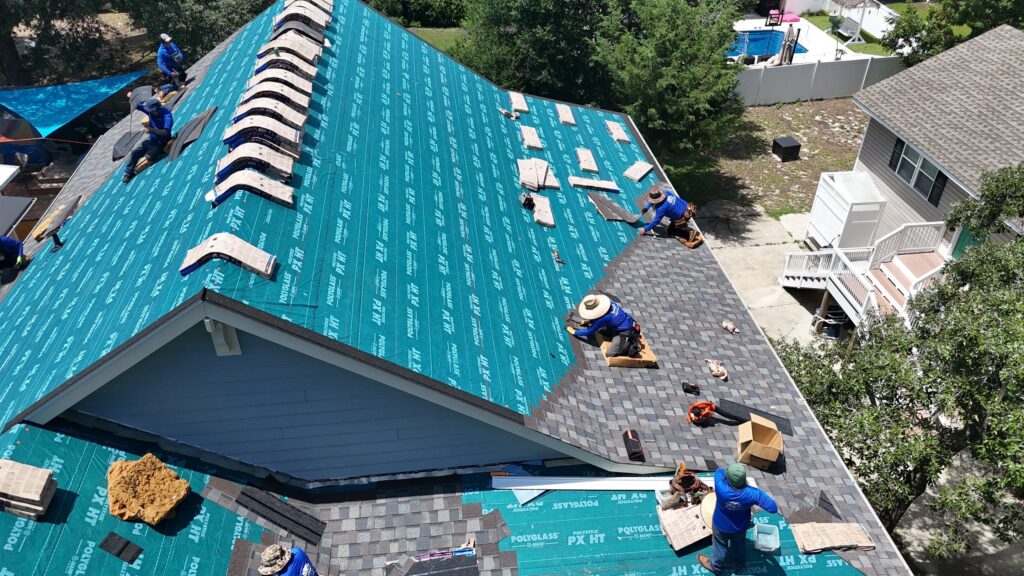
At Fortitude Roofing, we use Polyglass Polystick® PX HT high-temperature ice and water underlayment on appropriate roofing systems instead of traditional granulated ice and water membrane.
For homes in coastal North Carolina, where roofs face intense summer heat, wind-driven rain, tropical storms, and hurricanes, we believe the material underneath the finished roof deserves just as much attention as the shingles or metal panels above it.
High-Temperature vs. Granulated Underlayment: Quick Comparison
| Feature | High-Temperature Ice & Water | Granulated Ice & Water |
|---|---|---|
| High-temperature applications | Better suited | Product dependent |
| Metal roofing | Preferred | Not always designed for high temperatures |
| Surface | Woven/polymer facer | Mineral granules |
| Installer walkability | Engineered walking surface | Varies by product |
| Future serviceability | Durable facer between membrane and roof covering | Granulated asphalt surface |
| Waterproofing | Self-adhered | Self-adhered |
| Fortitude preference | Yes | No |
What Is High-Temperature Ice & Water Underlayment?
High-temperature ice and water underlayment is a self-adhered waterproof roofing membrane specifically designed to remain stable at elevated roof temperatures.
The product Fortitude Roofing uses, Polyglass Polystick PX HT, is rated for roof temperatures up to 240°F. You can review the manufacturer’s Polystick PX HT product information here.
It can be installed beneath:
- Metal roofing
- Asphalt shingles
- Synthetic shingles
- Slate
- Tile
- Other approved sloped roofing systems
High-temperature underlayment is especially important beneath metal roofing because metal panels can transfer significant solar heat into the roofing assembly.
The underlayment is not insulation and is not intended to cool the attic. Its advantage is that it is engineered to tolerate elevated temperatures beneath the roof covering without compromising the membrane’s performance.
Why Is High-Temperature Underlayment Better Than Granulated?
For the metal and asphalt shingle roofing systems we install, we consider high-temperature ice and water underlayment the superior specification.
Better Heat Resistance
The most important difference is thermal performance.
Polyglass Polystick PX HT is engineered for high-temperature roofing applications and rated up to 240°F.
This makes it particularly well suited for metal roofing and roofing systems exposed to the high summer temperatures found in coastal North Carolina.
Granulated underlayments can perform well in applications they were designed for, but they are not automatically rated for the same high-temperature environments.
If you’re installing a long-life metal roof, the underlayment beneath it should be engineered for the temperatures that roof can generate.
Does High-Temperature Underlayment Provide Better Footing for Roofers?
A major advantage of Polystick PX HT is its woven polyolefin facer.
The facer is designed to improve walkability and provide installers with a durable, consistent working surface while installing the roof.
That matters because installers are working on sloped surfaces where footing affects both safety and installation quality.
Some granulated underlayments also provide good traction, so granulated does not automatically mean slippery. However, we prefer a modern high-temperature membrane with a purpose-built woven walking surface for the roofing systems we install.
Is High-Temperature Underlayment Better for Future Roof Repairs?
The woven facer provides another advantage that homeowners may not think about until years later.
It creates a durable surface between the self-adhered waterproofing compound and the finished roofing material.
Based on Fortitude Roofing’s field experience, this can create a cleaner interface when roofers later need to:
- Remove metal panels
- Perform repairs
- Access flashing
- Replace portions of the roof
- Complete a future tear-off
A roof should be designed not only for installation day but also for the day someone eventually has to service or replace it.
We prefer having a durable woven facer separating the waterproofing membrane from the finished roof covering.
Does High-Temperature Ice & Water Underlayment Help Prevent Roof Leaks?
High-temperature ice and water underlayment provides a secondary waterproofing layer beneath the finished roof.
Polystick PX HT adheres directly to the roof deck rather than simply lying over it.
It is designed to help protect the roof assembly from moisture, wind-driven rain, and water around properly installed roof penetrations and fasteners.
This is particularly valuable for coastal North Carolina homes.
During hurricanes and tropical storms, high winds can drive rain underneath roofing materials. A self-adhered waterproof membrane gives the roof deck another layer of protection if water gets beneath the primary roof covering.
Is High-Temperature Underlayment Better for Metal Roofs?
Yes. High-temperature underlayment is generally the better choice beneath metal roofing because it is specifically designed to tolerate the elevated temperatures that can develop beneath metal panels.
Polystick PX HT is approved for use beneath metal roofing and rated for temperatures up to 240°F.
If you’re investing in a premium metal roof designed to last for decades, pairing it with an underlayment engineered for high-temperature service makes sense.
Is Granulated Ice & Water Underlayment Bad?
No.
Granulated ice and water membrane can be an appropriate product for specific roofing applications.
But acceptable and best are not the same thing.
For the asphalt shingle and metal roofing systems Fortitude Roofing installs, we believe high-temperature ice and water underlayment is the better specification because of its thermal performance, woven facer, installation characteristics, waterproofing performance, and long-term serviceability.
The correct underlayment should be selected for the roofing system being installed rather than simply using the same product on every roof.
What Ice & Water Underlayment Does Fortitude Roofing Use?
Fortitude Roofing uses Polyglass Polystick PX HT high-temperature ice and water underlayment on appropriate roofing systems.
According to Polyglass, Polystick PX HT is:
- Self-adhered
- Rated for temperatures up to 240°F
- Designed for high-temperature roofing applications
- Approved beneath metal roofing and asphalt shingles
- Manufactured with a woven polyolefin facer
- Designed to provide a secondary waterproof barrier
Polyglass also offers an available 20-year limited material warranty, subject to the manufacturer’s installation, registration, terms, conditions, and exclusions.
What Is the Best Underlayment for a Metal Roof?
For most metal roofing applications, we recommend a high-temperature self-adhered ice and water underlayment rated for use beneath metal roofing.
The roof covering and underlayment should be designed to work together.
Using a long-life metal roofing system over an underlayment that was not engineered for high-temperature conditions can create an unnecessary weak point in the roof assembly.
Frequently Asked Questions About High-Temperature Roof Underlayment
Can high-temperature ice and water underlayment be used under shingles?
Yes. High-temperature products such as Polyglass Polystick PX HT are approved for use beneath asphalt shingles as well as metal roofing and other approved sloped roofing systems.
What temperature is Polystick PX HT rated for?
Polyglass Polystick PX HT is rated for roofing applications up to 240°F.
Is high-temperature underlayment waterproof?
Polystick PX HT is a self-adhered waterproofing underlayment designed to create a secondary water barrier beneath the finished roofing material.
Is high-temperature underlayment only for metal roofs?
No. Although high-temperature underlayment is particularly valuable beneath metal roofing, Polystick PX HT can also be installed beneath asphalt shingles, synthetic shingles, slate, tile, and other approved roof coverings.
Is high-temperature ice and water better than granulated underlayment?
For the metal and asphalt shingle roofing systems Fortitude Roofing installs, yes. We prefer high-temperature underlayment because it provides higher thermal performance, a purpose-built woven surface, strong secondary waterproofing, and a better interface for future roof service.
The Bottom Line
The best roofing system isn’t determined only by the material you can see.
The components underneath the shingles or metal panels also determine how the roof performs over time.
At Fortitude Roofing, we choose high-temperature ice and water underlayment over traditional granulated underlayment for the roofing systems where it is appropriate because we believe it builds a better roof.
Before choosing a roofing contractor, ask:
“What exact underlayment are you installing beneath my roof, and why?”
A professional roofing contractor should be able to explain exactly what they’re installing and why that material is appropriate for your roof.